Each year artisans invest time and energy into intricate works displayed at county and state fairs across the United States. While these collections may travels tens of miles, or occasionally hundreds of miles for notable fanfare, some have journey several thousands miles more to be part of the new exhibit: “State Fairs: Growing American Craft,” which opened Friday at the Smithsonian American Art Museum’s Renwick Gallery.

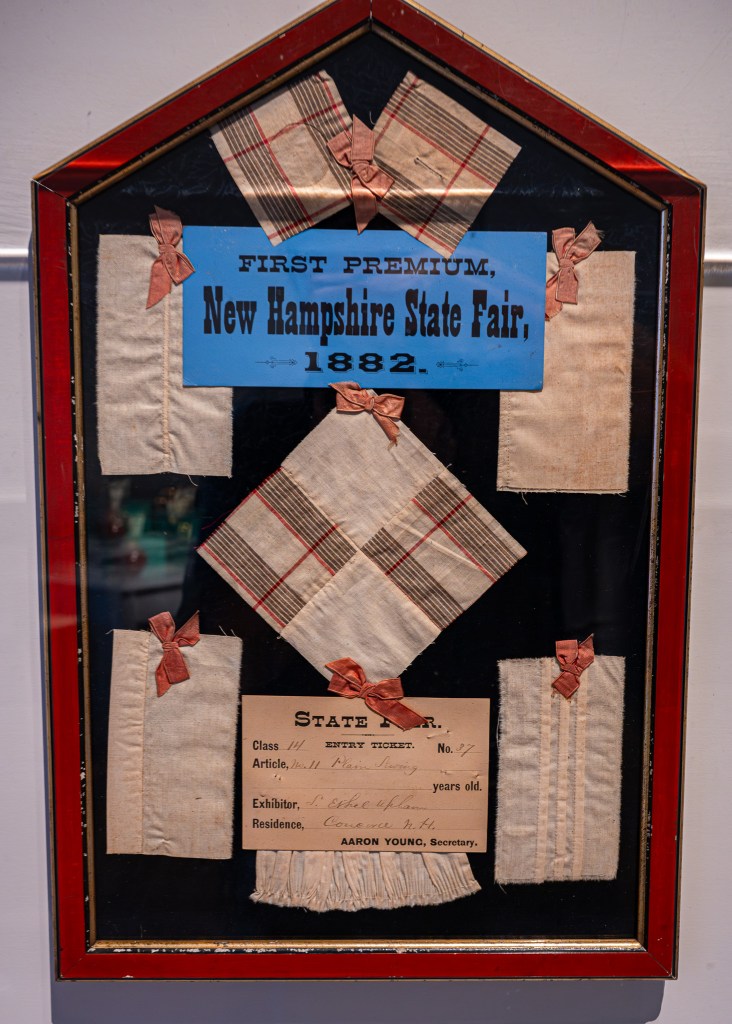
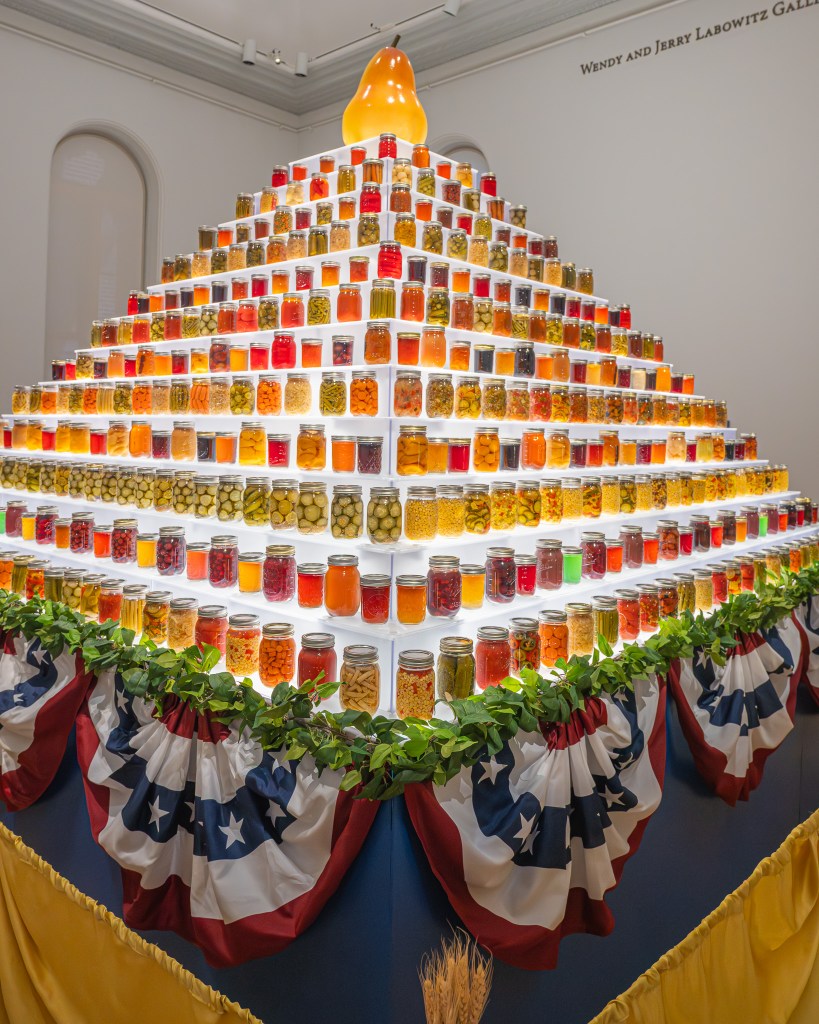
Evoking larger than life symbols from Big Tex’s size 96 boots to a giant cow sculpted out of butter, to the precision of sewn clothing and stitched quilts, the new exhibit runs the gamut when it comes to not only highlighting many mediums for art but also the extremely long catalogs of entries and classes for exhibitors seeking best in show ribbons at state fairs.

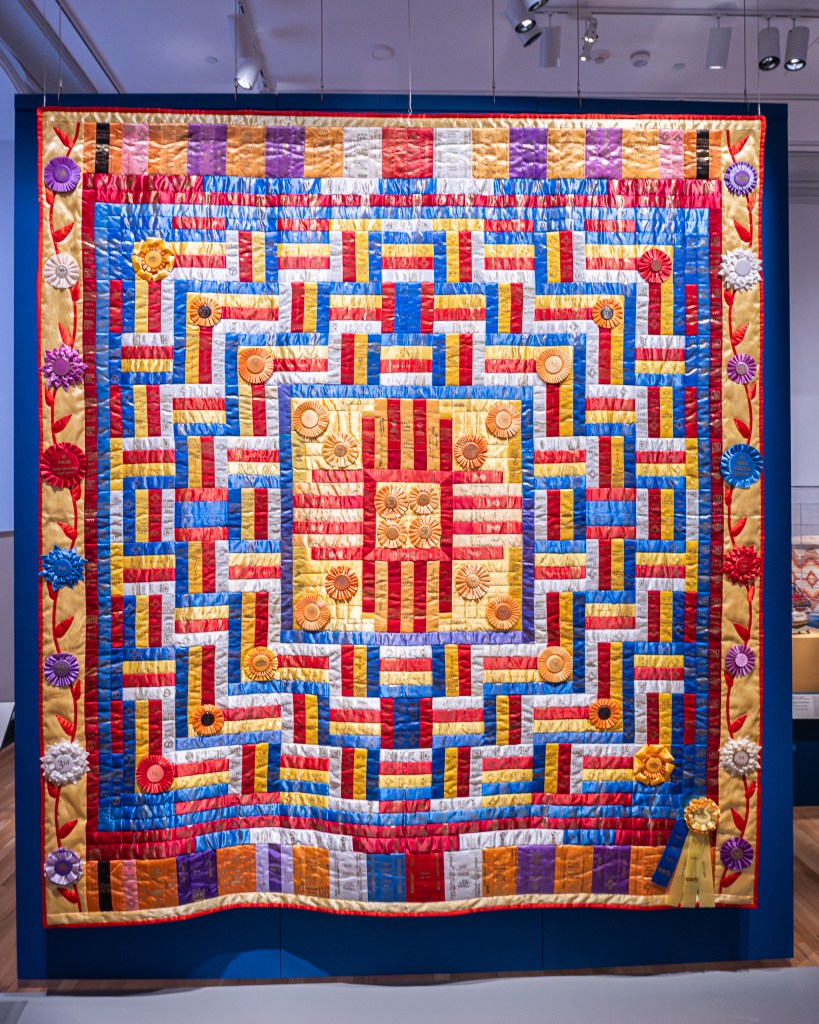
The quilt above, made by Debra Wykert, depicts the daily high and low temperatures for 2022 in the town of Muscatine, Iowa.
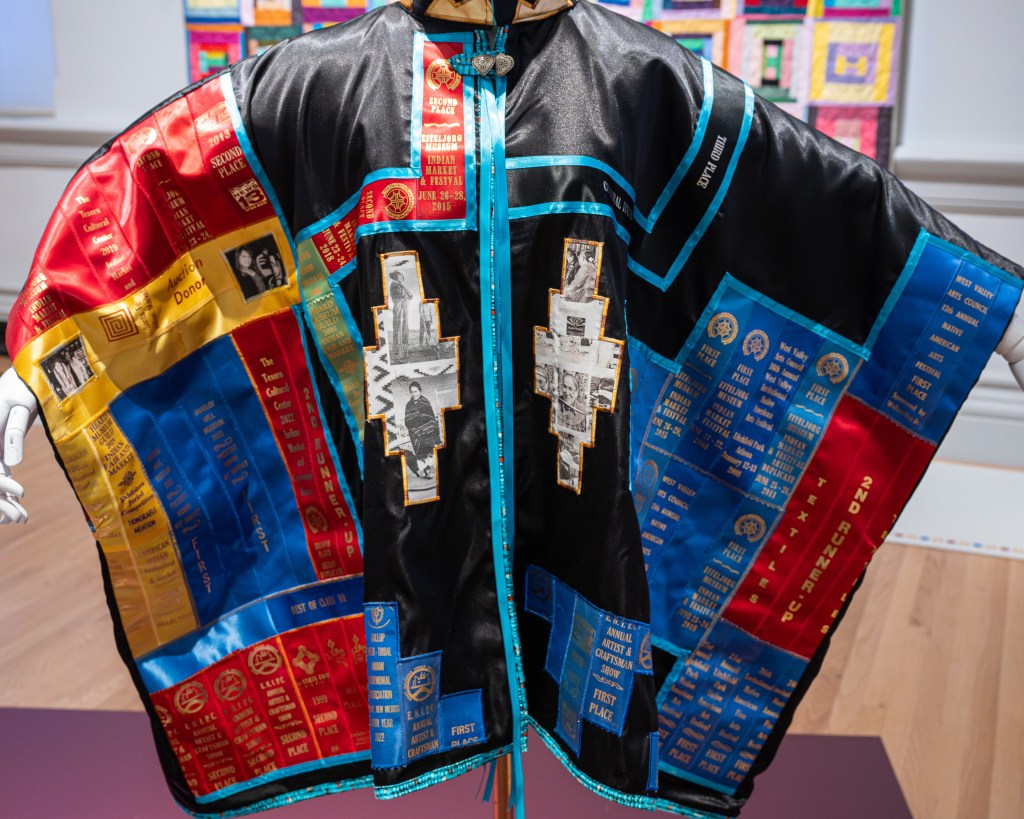
It was also fascinating to see pieces that used the ribbons, which may otherwise be lost to the sands of time or cabinets or drawers in various estates, be upcycled by their recipients into newer artforms.
If quilts or the art of sewing aren’t your thing, there are plenty of state fair entries from pottery and basket making to handcrafted models and things like replicas of fish and marine animals.
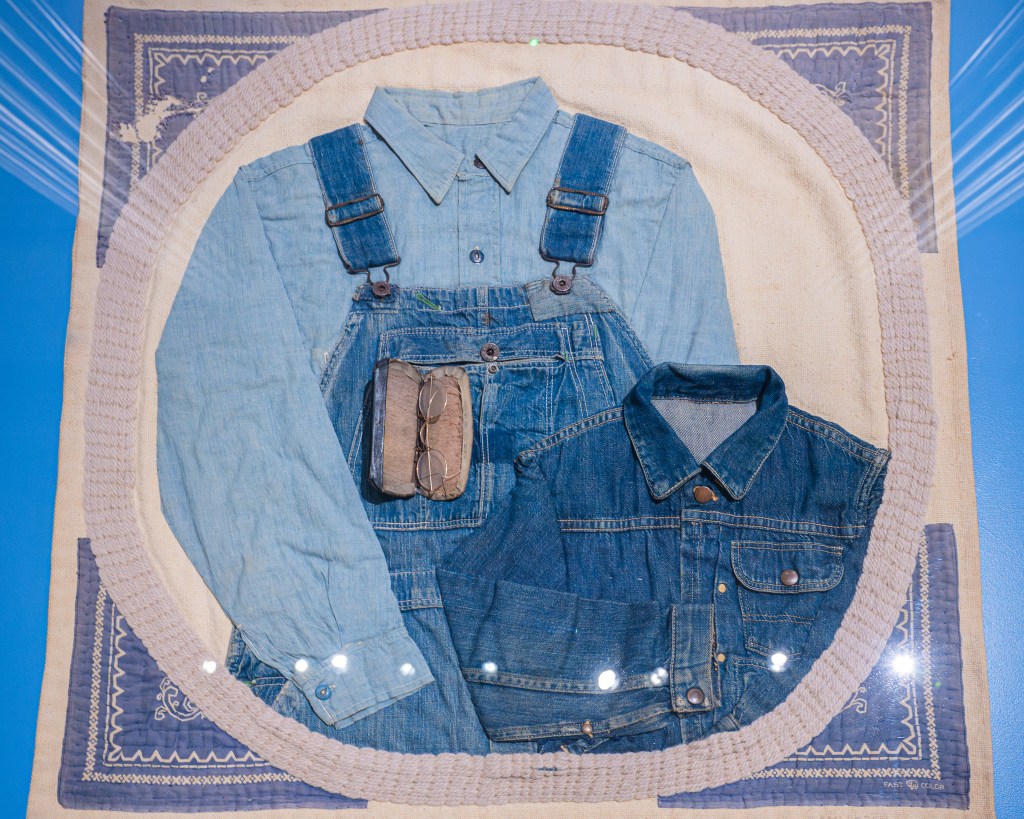
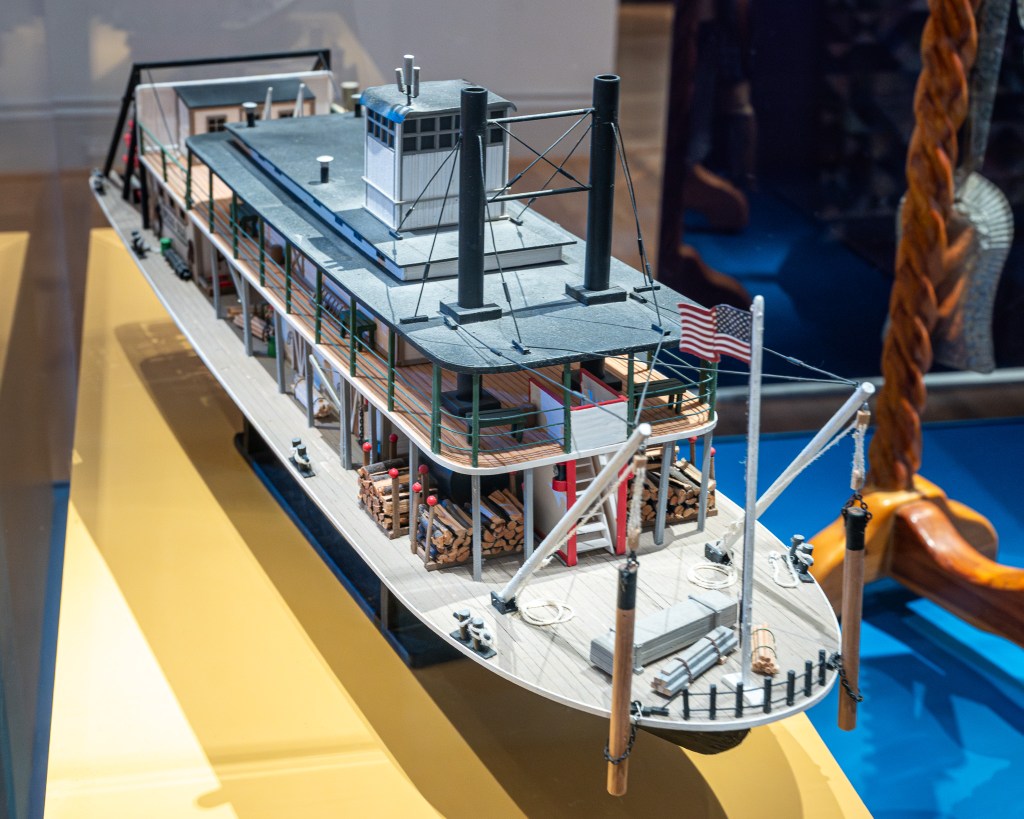
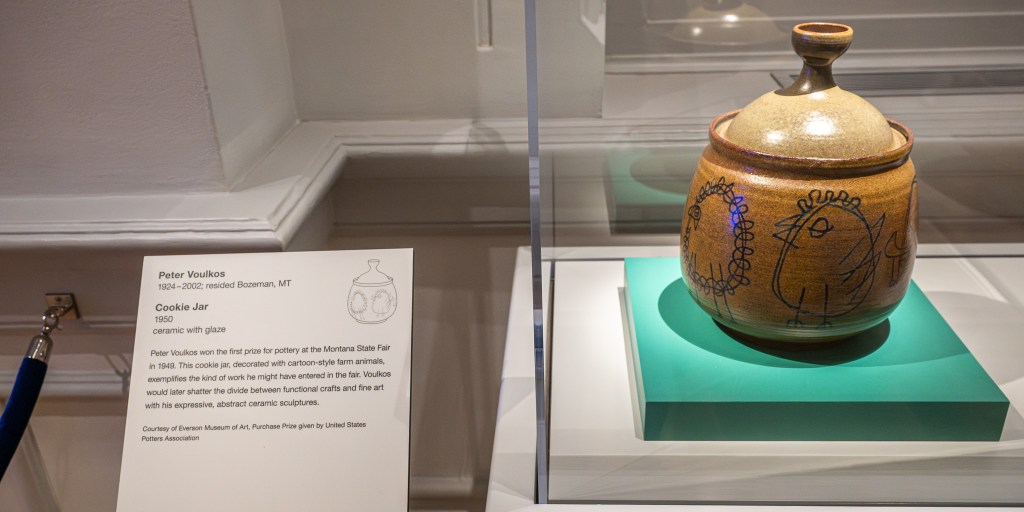

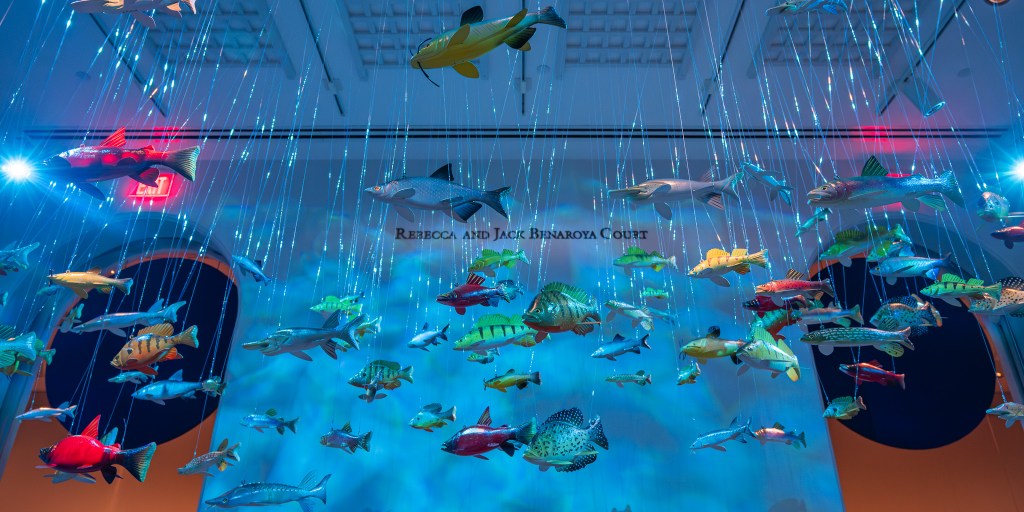

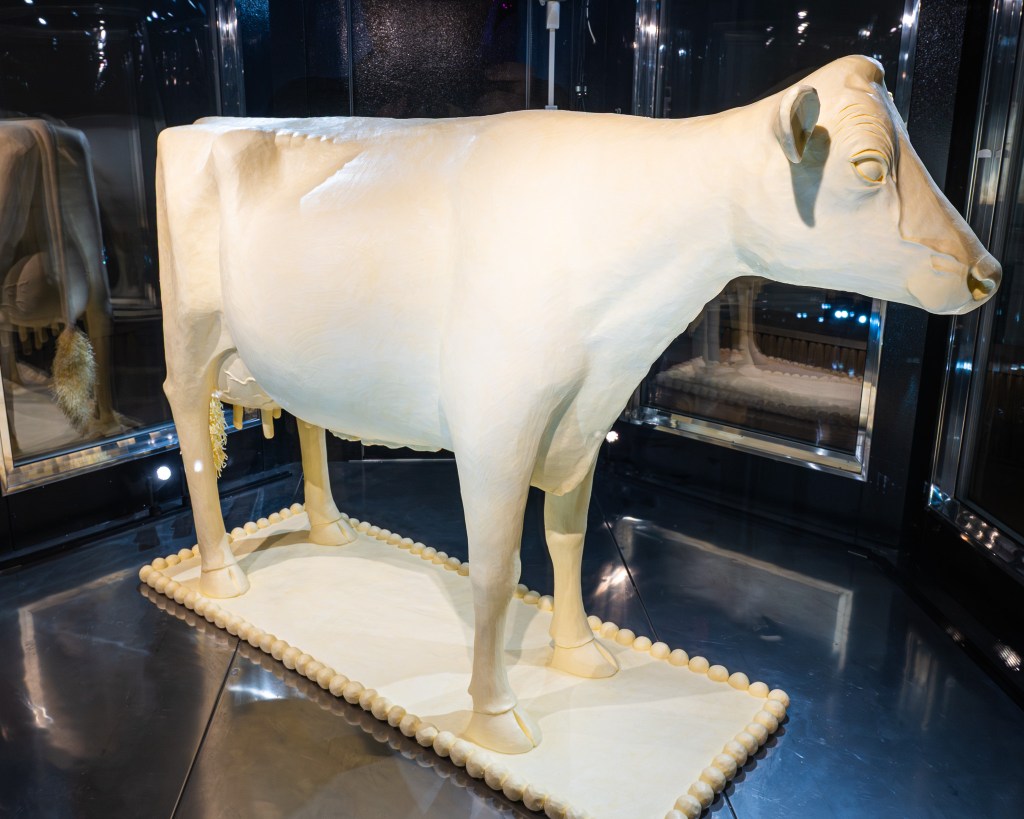
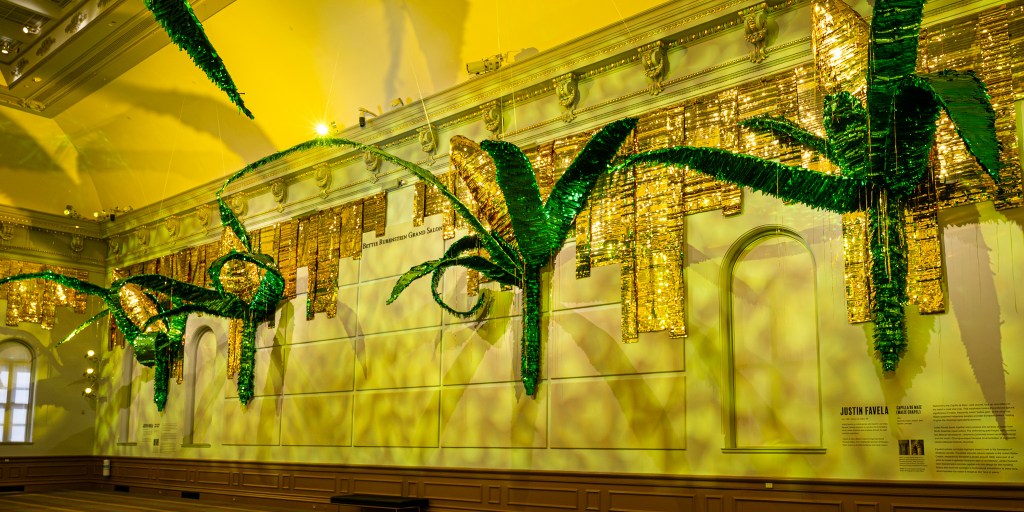
Make sure to visit the second floor to see not only the cow made from butter, but also an activation from Justin Favela with golden walls and pinata corncobs. The neat thing about this space is the lighting for it cycles on a timer. So the room changes from a bluish-purple undertone that combined with the gold and green confetti seems reminiscent of a Mardi Gras color palette to a space illuminated with yellow that seeks to evoke that feeling as if you were in a Midwestern field surrounded by corn.

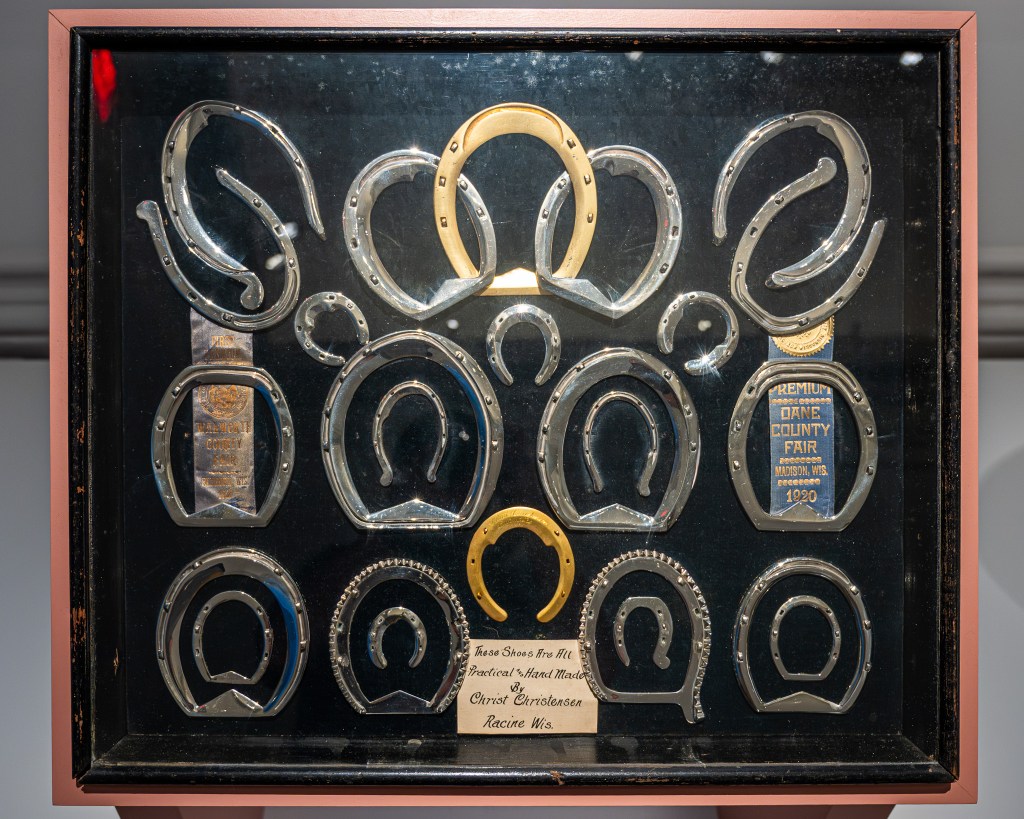
One of the final rooms of the exhibit highlights rodeos and features saddles, a collection of horseshoes from the 1920s and a rhinestone rodeo suit that is reminiscent of nudie suits made popular by country music artists like Hank Williams Sr. or Little Jimmy Dickens.

About the photos:
Like other Smithsonian museums, most of the images in this article were made using slower shutter speeds (1/10-1/30th of a second) and higher ISOs (2000-3200). Signs around the exhibits encourage photography, but no flash photography especially in front of some of the textiles. If you have a wide zoom (24-70mm, 24-105mm, etc.), that is probably all you will need for photos in this space as you might have some difficulty composing images with a telephoto lens and getting everything in the frame. Although some of the art would work really well with a macro lens.
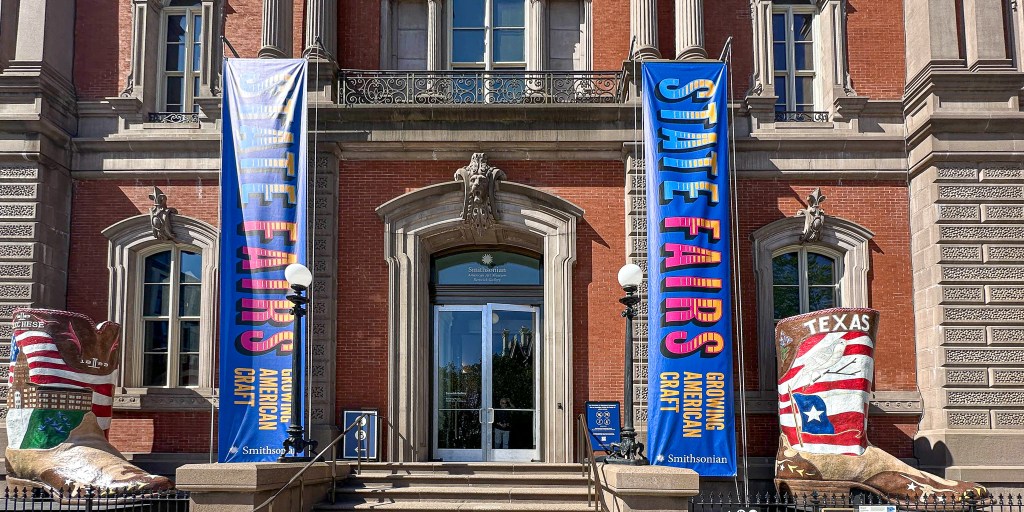
The only photo that I couldn’t get with a 24-70mm lens was the top image, which is Big Tex’s size 96 boots on display outside of the Renwick Gallery. This is because Pennsylvania Avenue is barricaded at the edge of the sidewalk in front of the building. (This is normal for Washington D.C. and not part of stories making national headlines.) So if you want a photo with both shoes, you’ll need to use the wide 0.5x lens on your cellphone or use something like a 14-30mm lens.

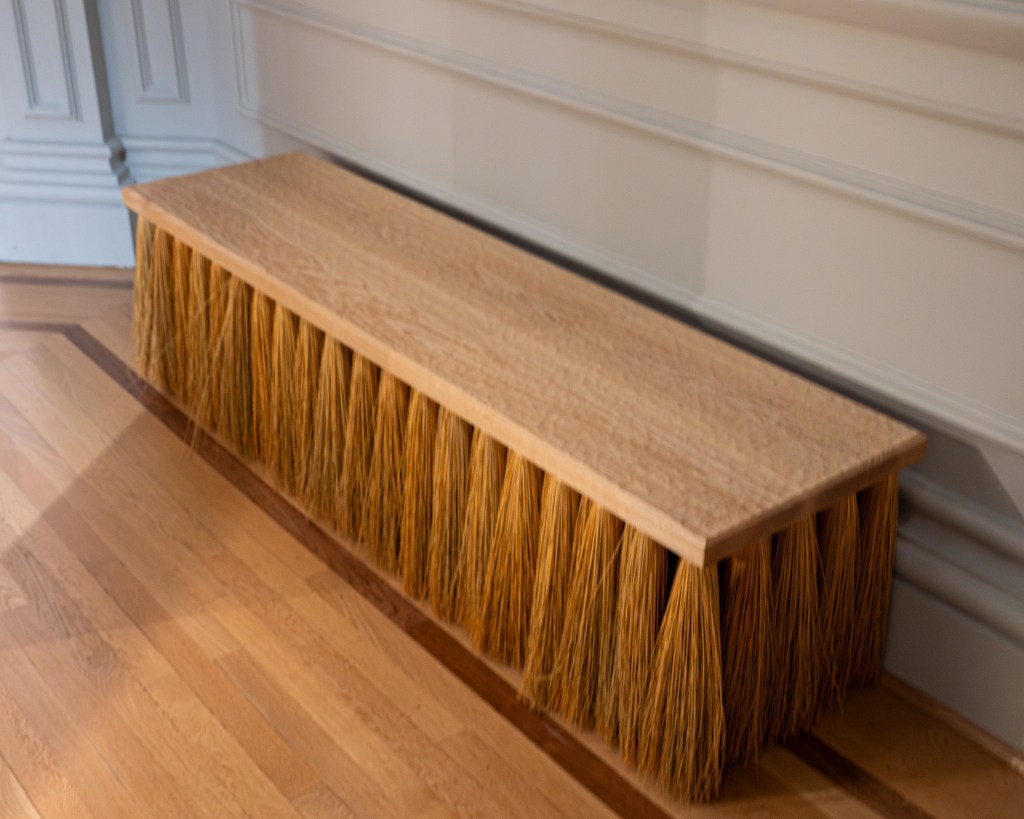
A final note that the benches like the one below that are seen throughout the two floors of the Renwick Gallery were made as part of Berea College’s student craft program.