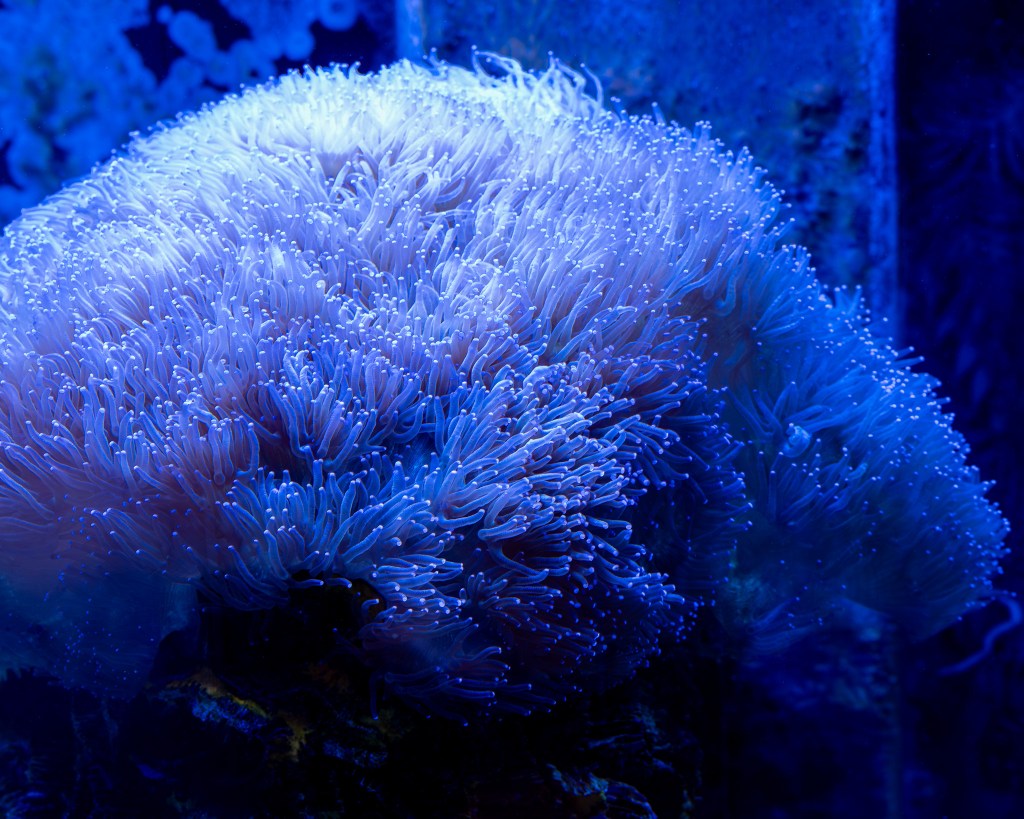
As the old adage goes, if you can’t beat them then join them. So, with a very slight reprieve from oppressive heat — albeit still steamy, swampy, sweaty or whatever adjective best describes this tropical pattern of Florida-like weather that continues to plague the DMV, this photo outing takes us to Connecticut Avenue and the Smithsonian National Zoo.
Tip: If you’re taking Metrorail, get off the train at Cleveland Park. Turn right at the top of the first escalator to exit Metro above ground on the east side of the road. Cross the street in the direction of the 7-Eleven on the corner and walk the half-mile to the Zoo’s pedestrian entrance.
Both Cleveland Park and Woodley Park-Zoo/Adams Morgan are about equal distance from the National Zoo, but if you exit at Woodley Park you have to walk uphill instead of downhill. When leaving for the day, turn left as you exit the Zoo to walk the four blocks toward Woodley Park Metro. It will be on the opposite side of the street.
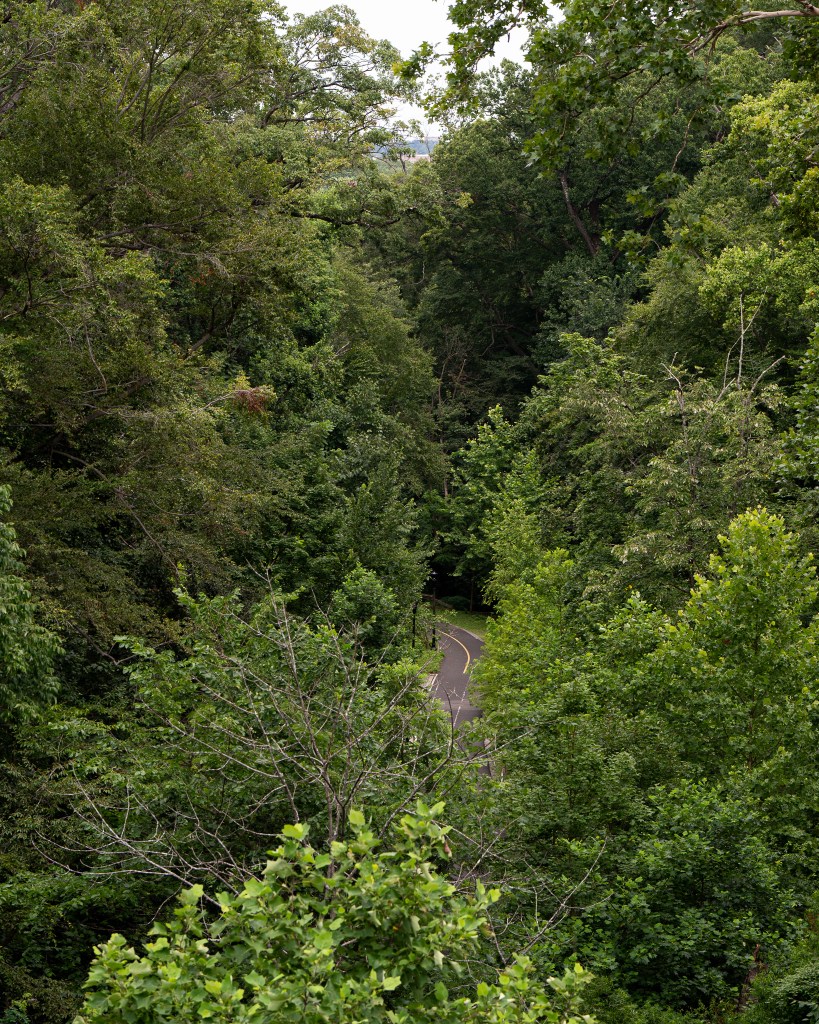
This image is from the Connecticut Avenue bridge over Klingle Valley Trail looking east toward Rock Creek Park.
Africa Trail
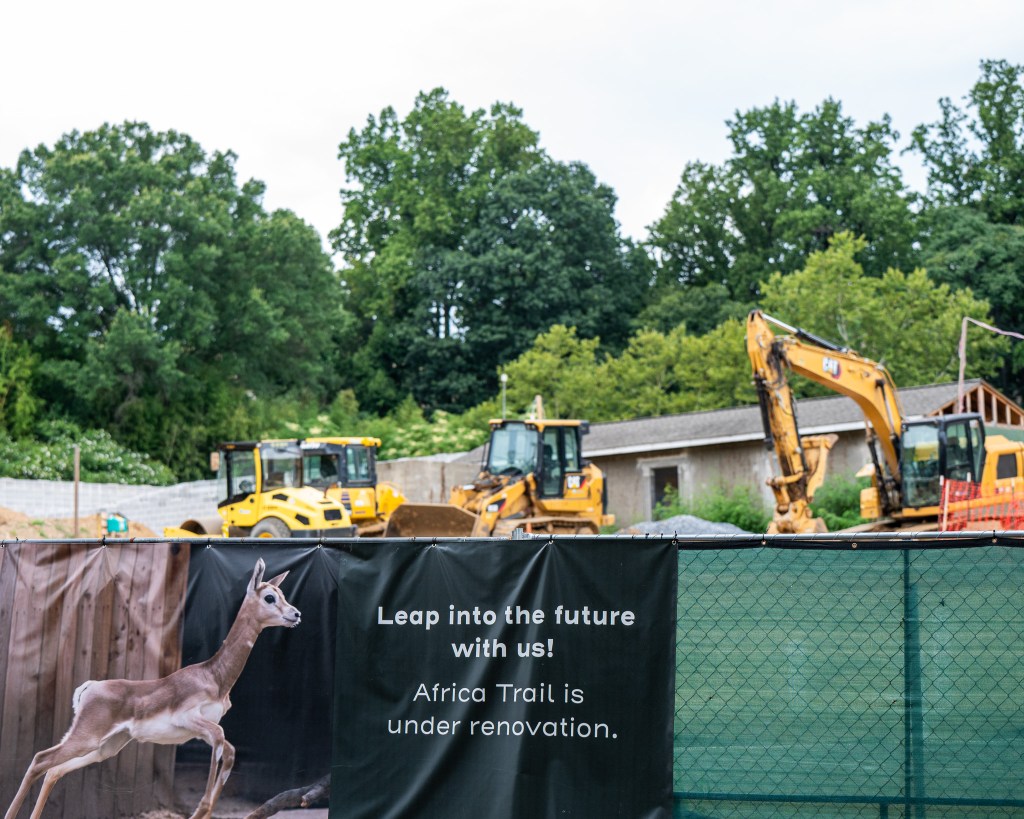
At the time of publication, the Africa Trail enclosures are currently closed for upgrades and are expected to reopen by the end of 2026.
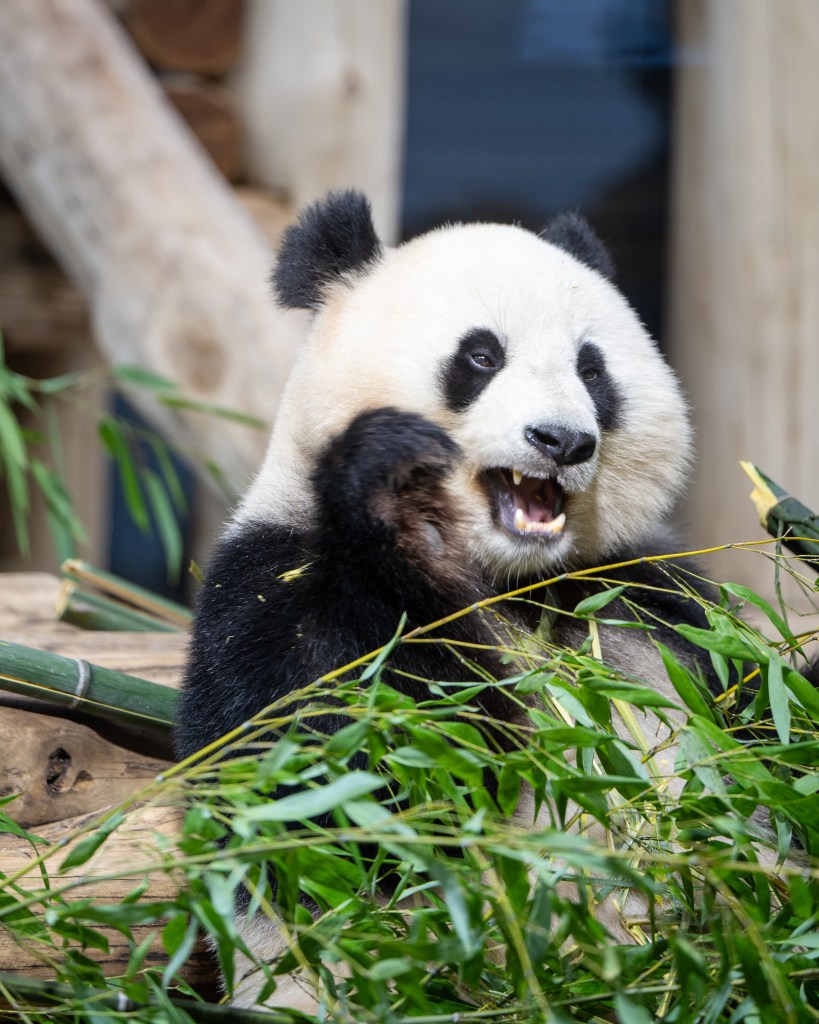
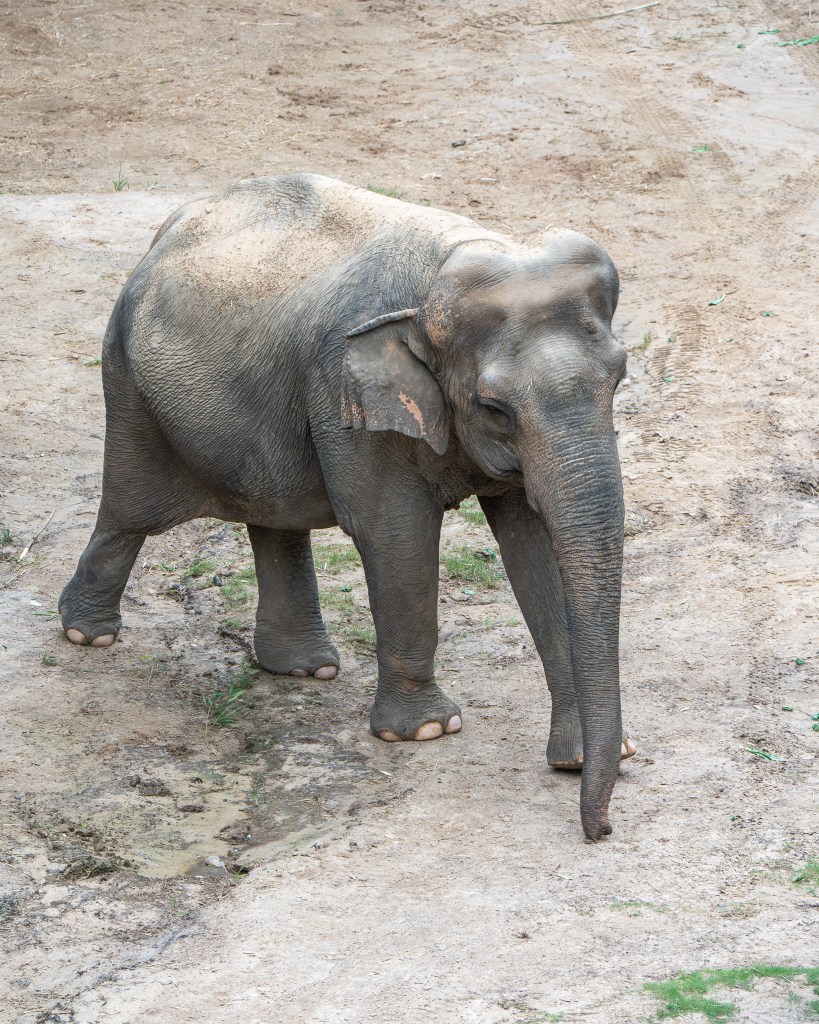
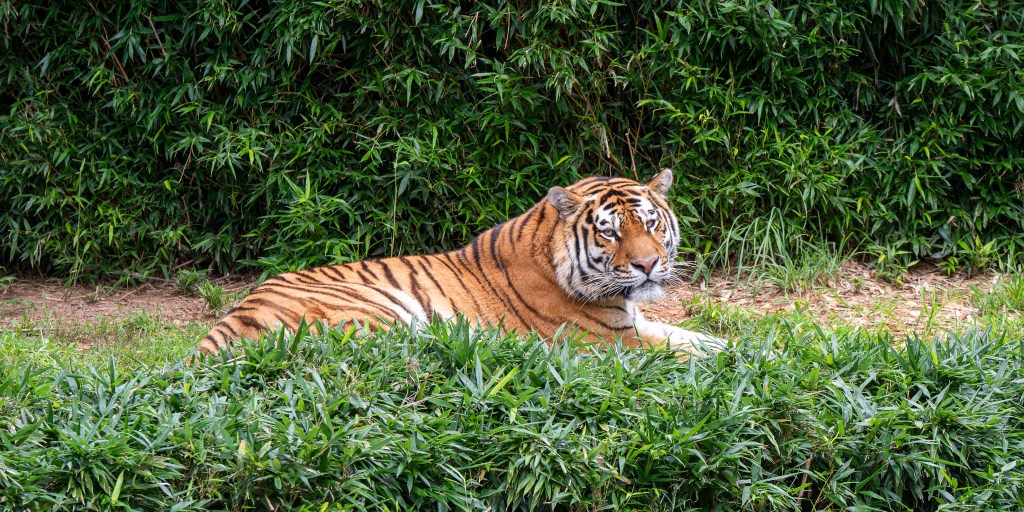
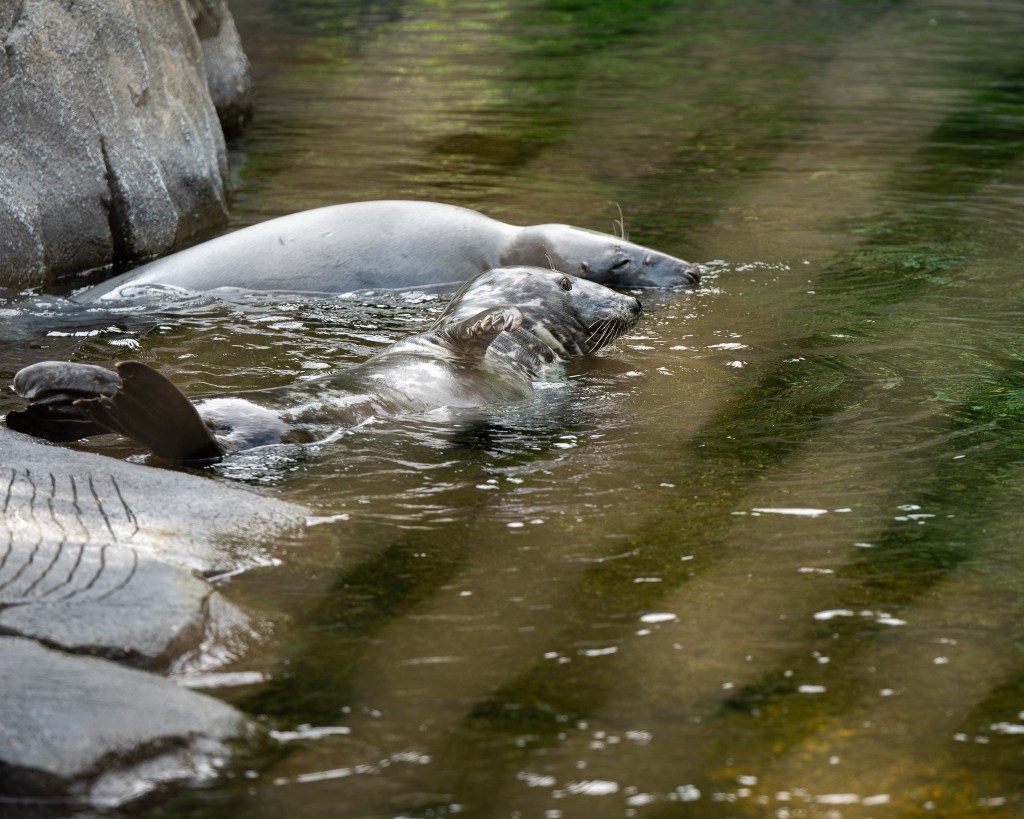
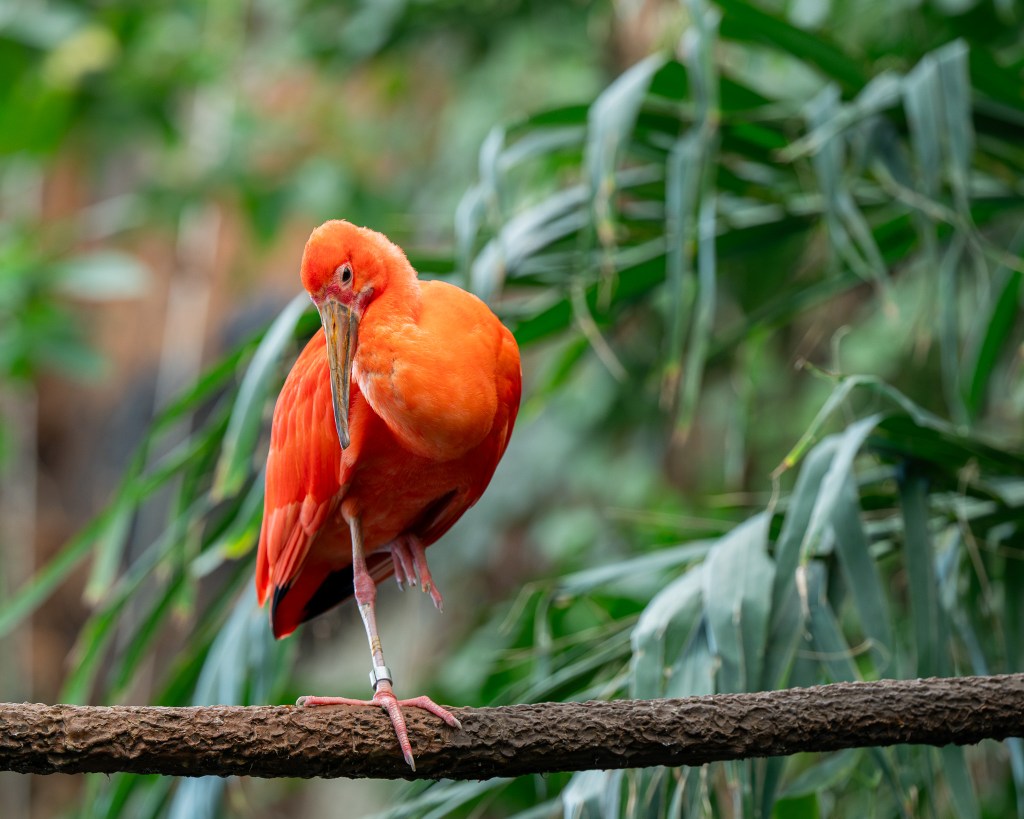
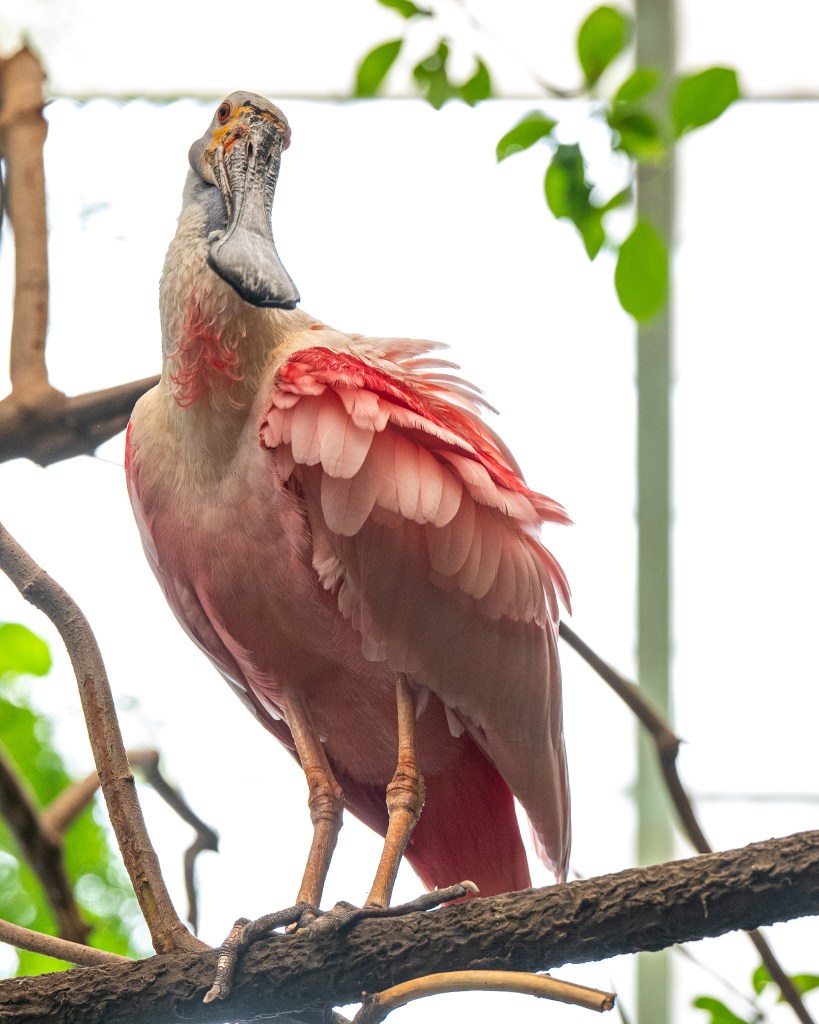
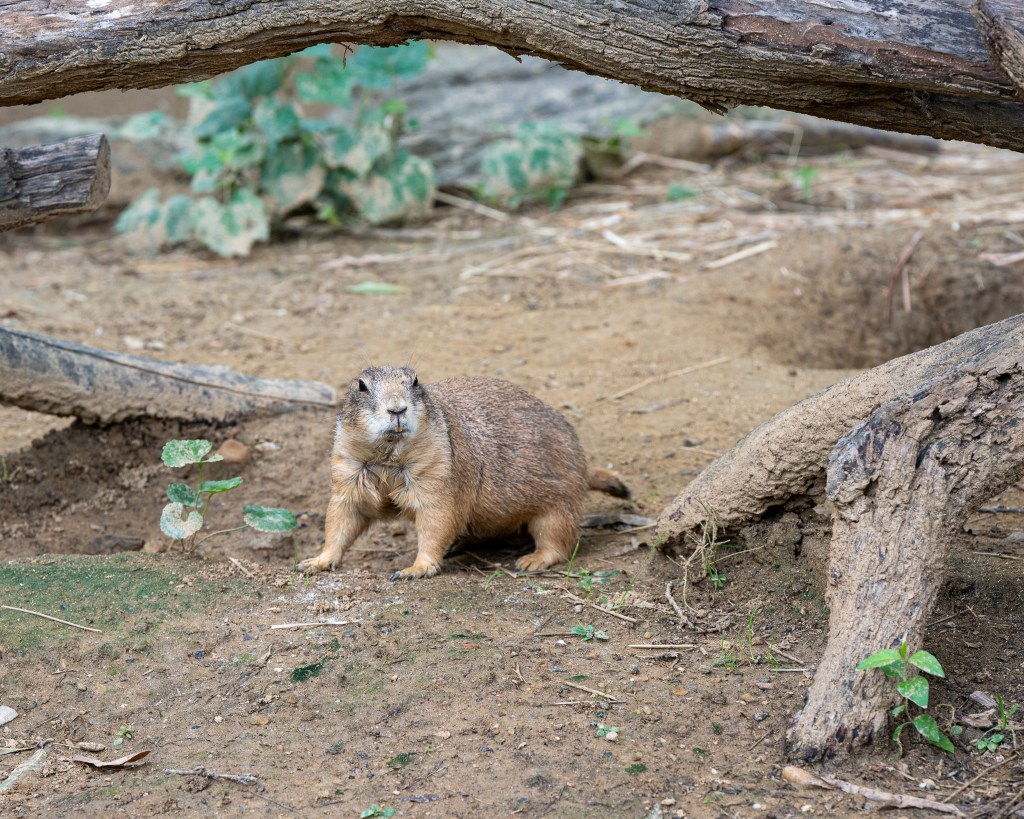
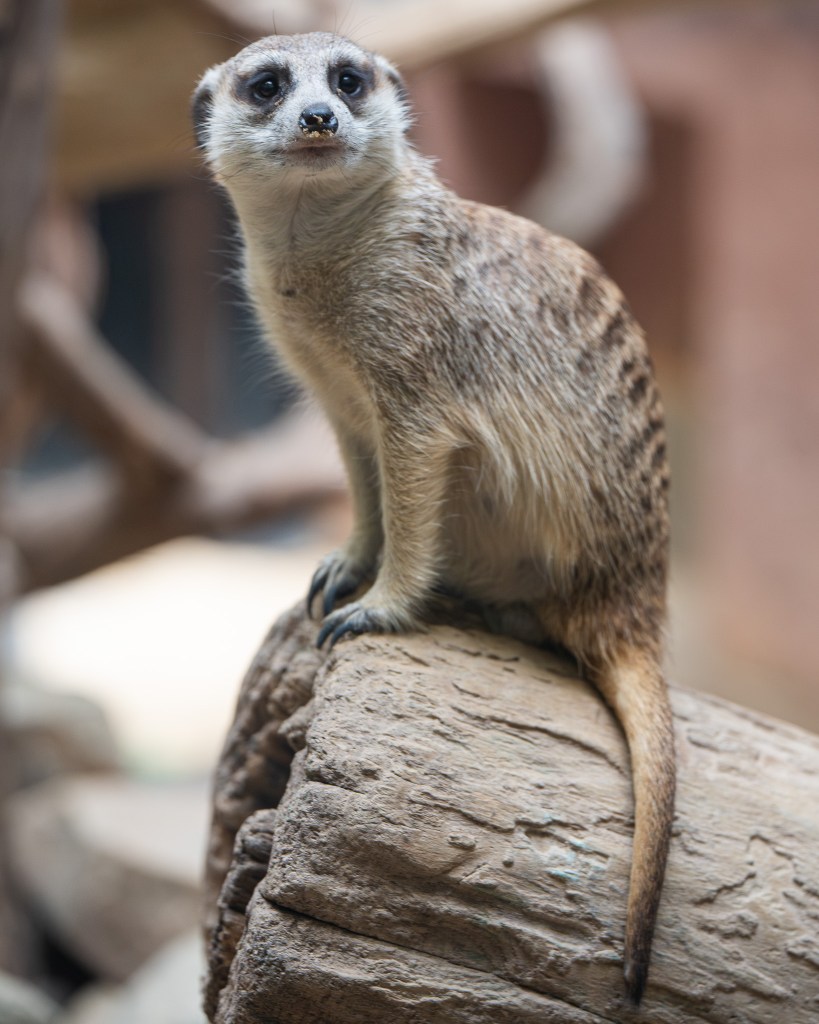
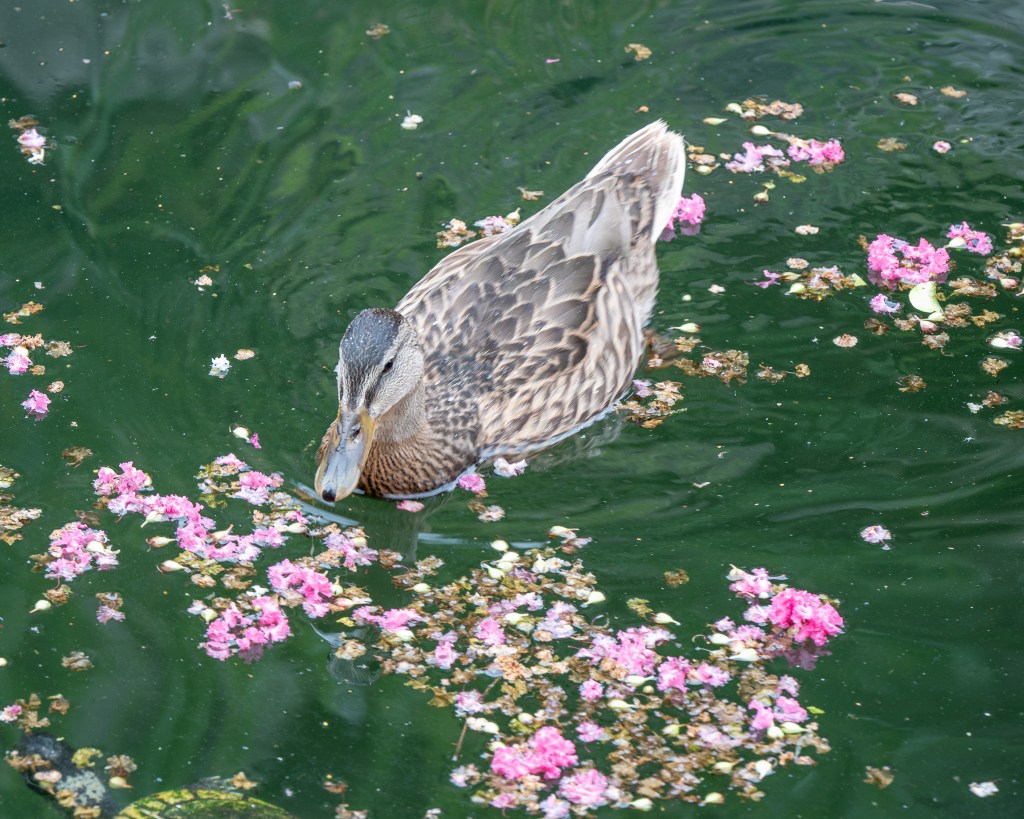
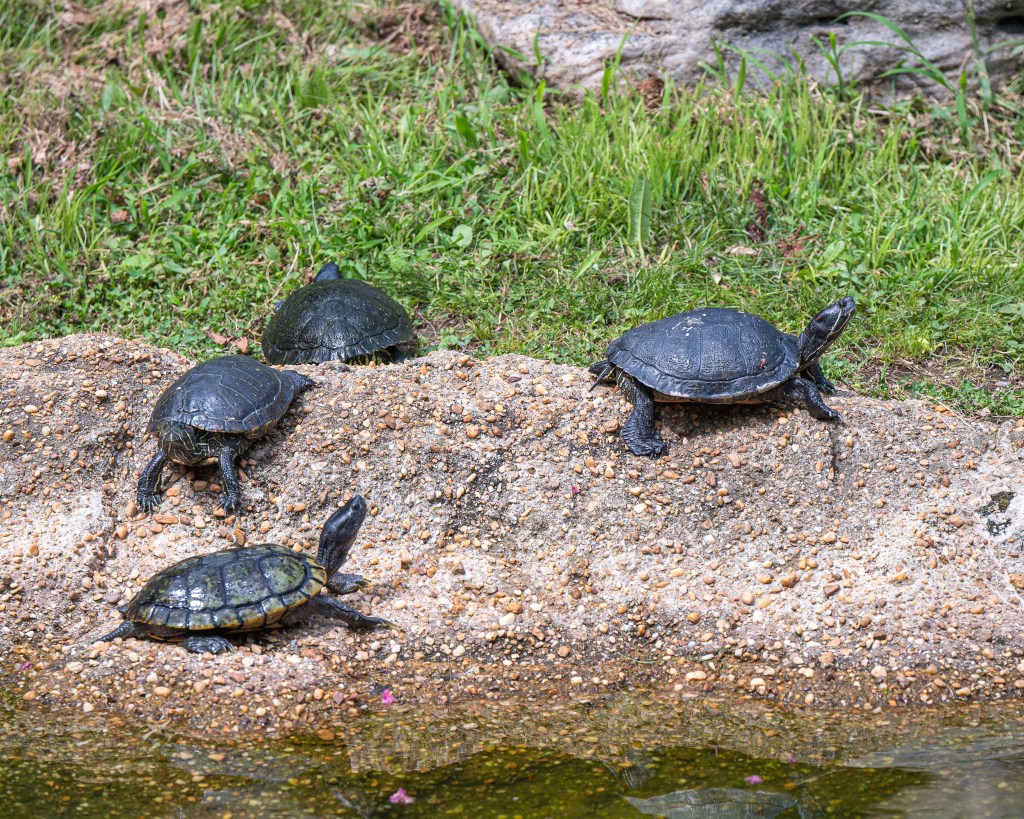
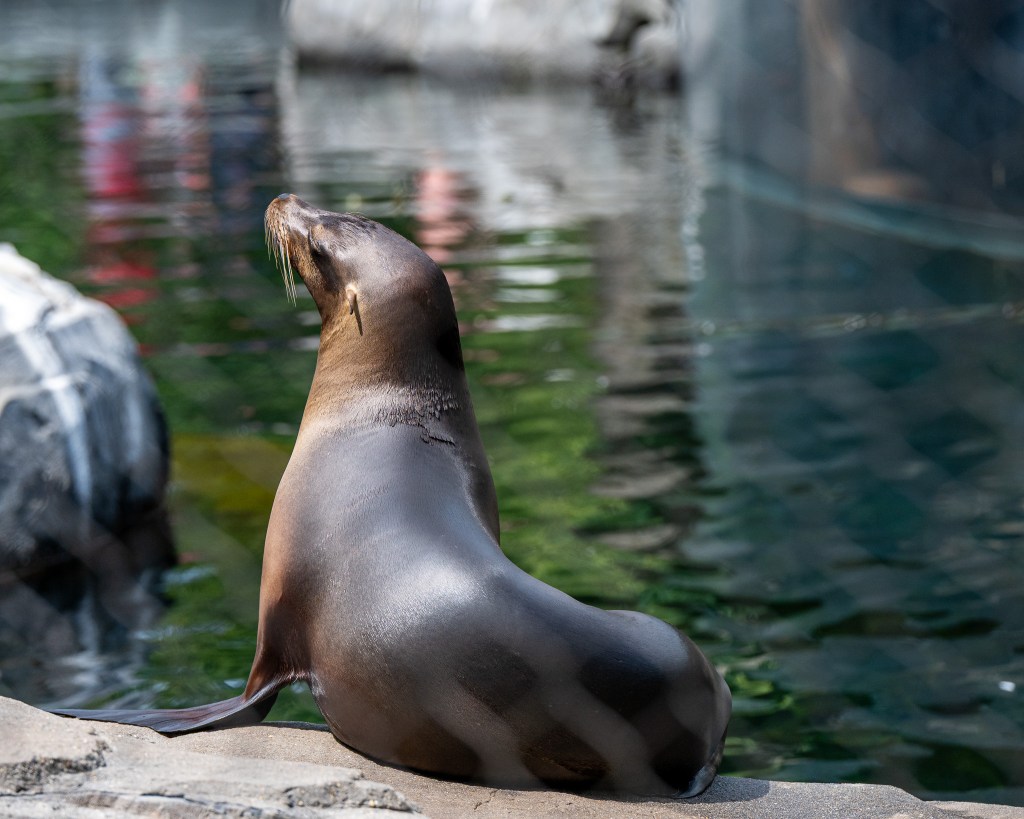
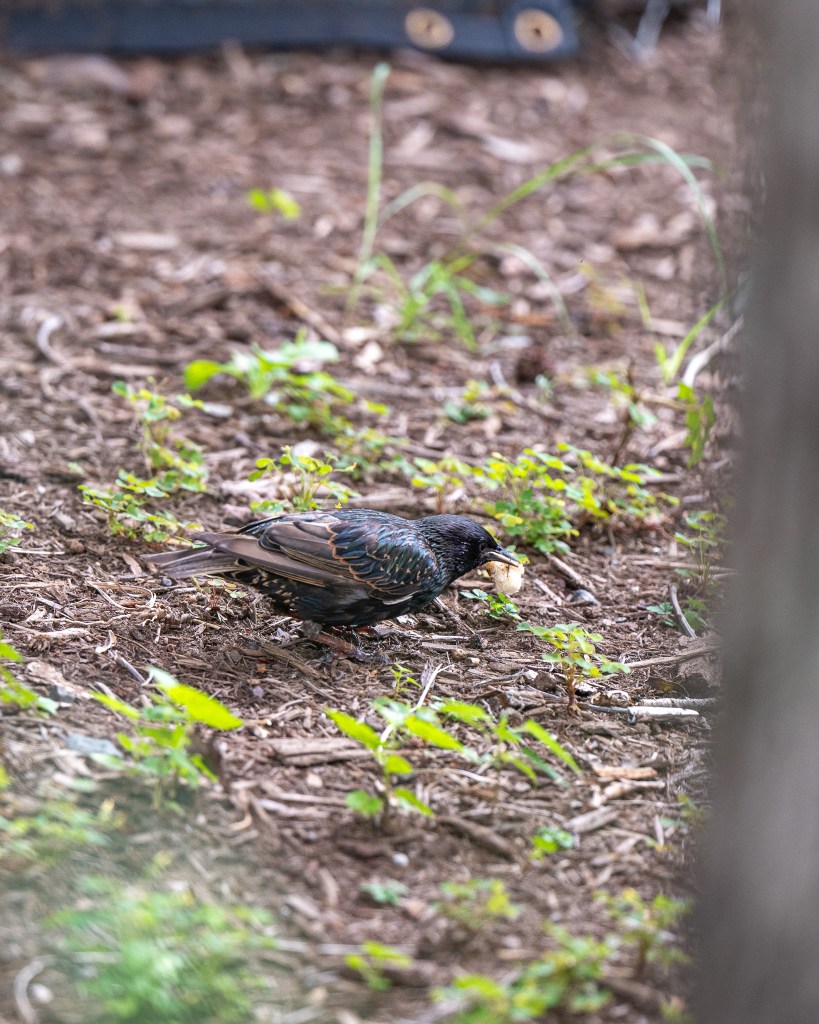
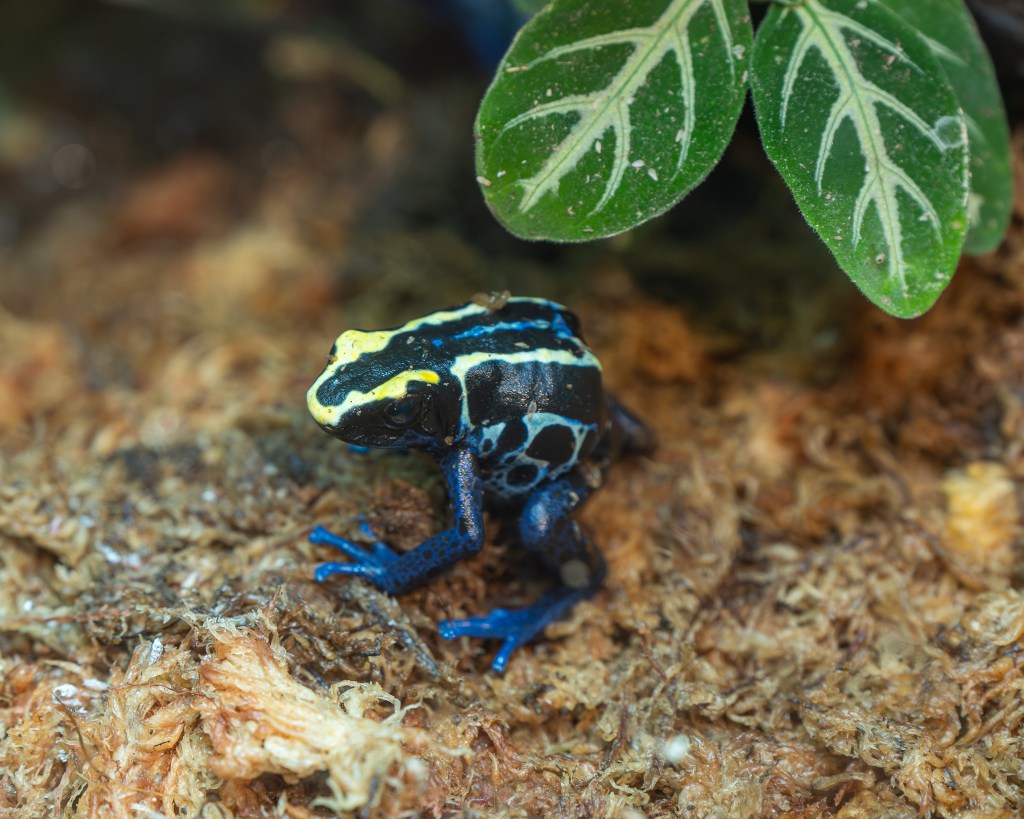
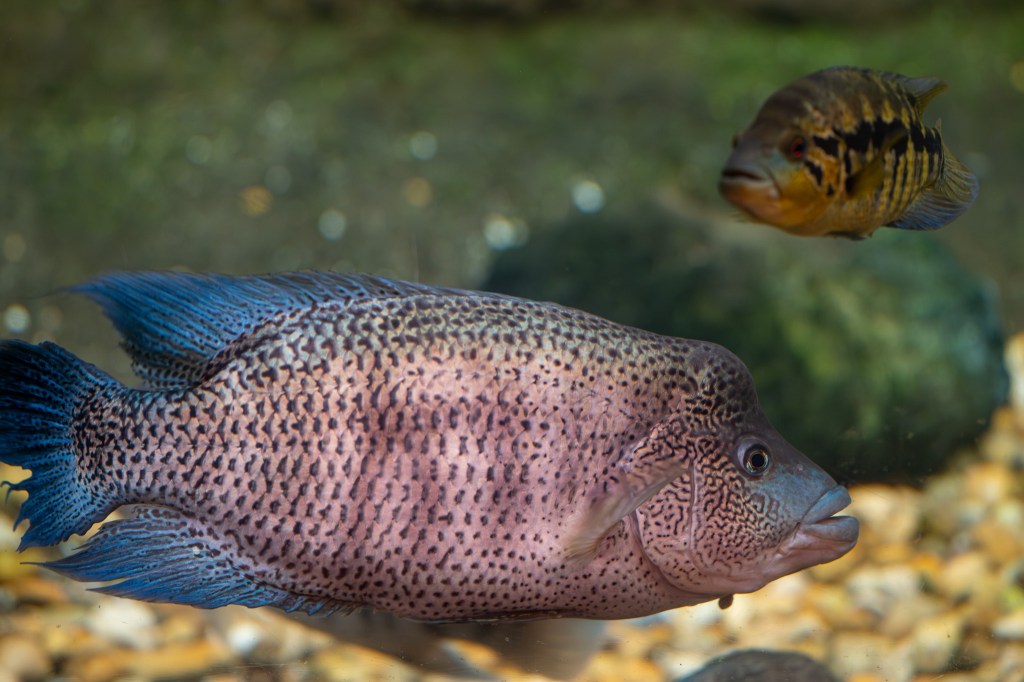
All kinds of animals, both large and small

Shutter speeds and water
Don’t go chasing waterfalls. But if you decide to go chasing waterfalls, then try adjusting the shutter speed to see different results.

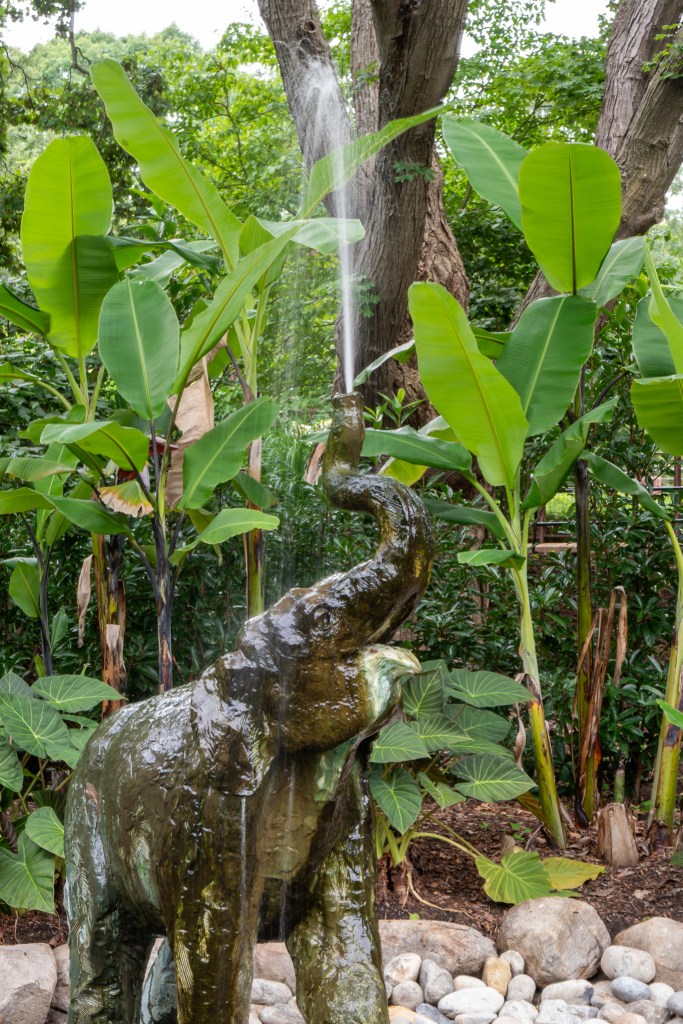
Take for example this elephant fountain off the Zoo’s main footpath. The first image here was captured with a shutter speed of 1/80th of a second. Meanwhile the second uses a shutter of 1/4th of a second. Although the elephant isn’t necessarily the best use for this as the longer shutter creates the water-in-motion effect and obscures part of the statue, it was great for the purpose of establishing a comparison.
For an actual waterfall slower shutter speeds work phenomenally well.

f/20, ISO 64, 1/5th of a second
About the photos
This is a culmination of the best 20+ photos out of 200 taken. Unlike traditional museums or even some other parks or zoos within the U.S., you’re working with different conditions at the National Zoo.
There are a lot of outdoor exhibits, but you might have animals that are in shadows, whether that’s napping under an object or the shade being cast from trees, you have to think about that when you’re exposing the image and whether or not to make the decision to overexpose in order to be able to recover light in post-production versus underexposing the image.
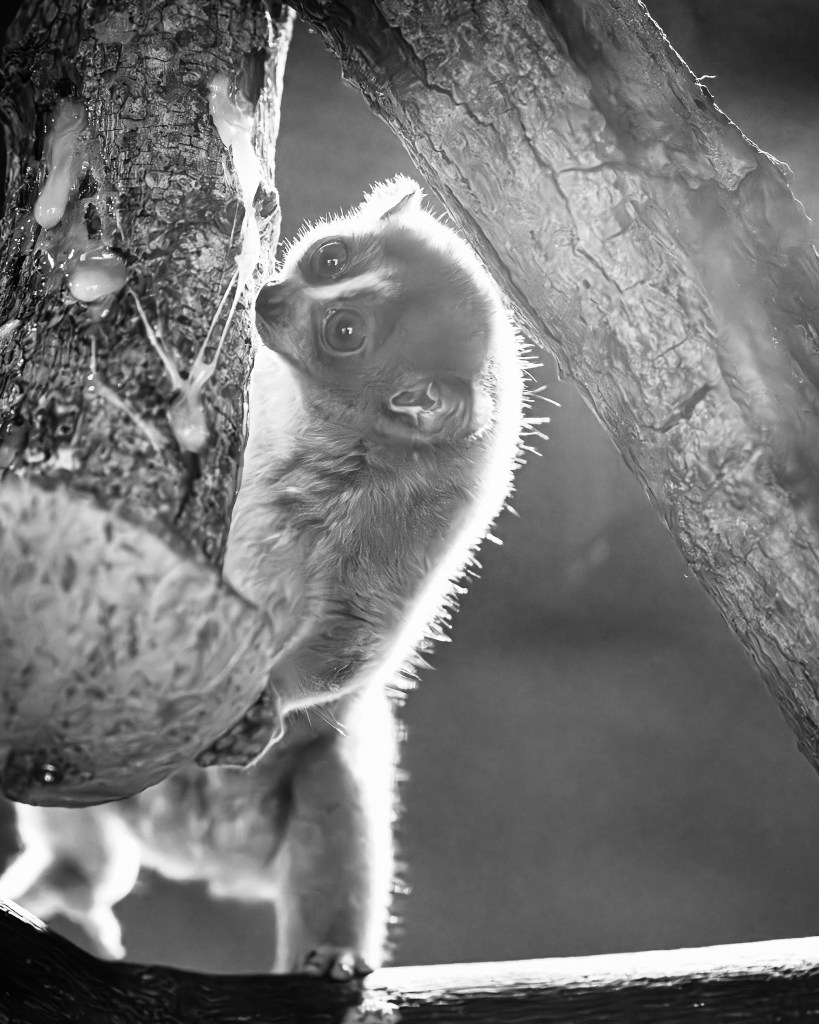
Then you have the indoor parts where the challenge might not be just adjusting shutter speeds/ISO to fight the reduced amount of light but also things like patience while moving through the crowds, or taking photos of nocturnal animals under red lights. These images are almost always one this photographer will edit in black and white instead of spending too much time playing with color sliders in Lightroom. Then in some rooms you’re just going to have to crank the ISO because of low-light and reduce the noise later in post-production.
Or maybe the only thing you have to worry about is making sure your camera or phone doesn’t fog up as you enter high humidity environments like Amazonia.